
Turning the Tide: A New Era in U.S. Immigration Law
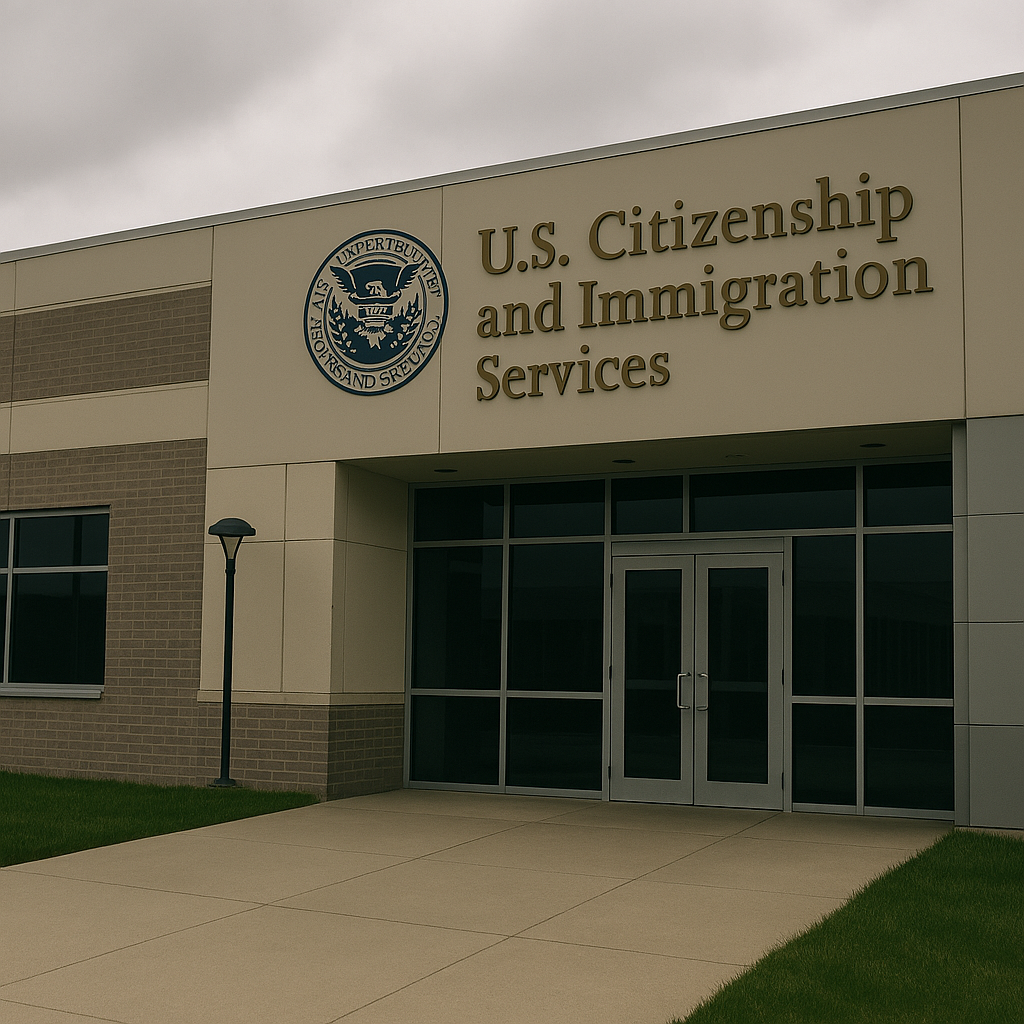
Turning the Tide: A New Era in U.S. Immigration Law Turning the Tide: A New Era in U.S. Immigration Law How the One Big Beautiful Bill Act and USCIS Policy Memos Reshape the Landscape In August 2025, USCIS released a sweeping policy memo restoring a holistic “good moral character” review for naturalization. Officers will now weigh positive factors—community involvement, caregiving, education, stable employment, length of lawful residence, and tax compliance—alongside the absence of criminal conduct. At the same time, USCIS guidance expanded discretionary powers to examine applicants’ past affiliations with anti-American or extremist groups, antisemitic activities, and related social media content. This shift underscores a broader national security lens on all immigration benefits. New family-based immigration rules also target fraud more aggressively. USCIS has introduced deeper background checks, data-driven fraud indicators, and faster denial pathways to safeguard marriage and kinship petitions from non-meritorious filings. Finally, clarifications to the Child Status Protection Act ensure consistent age-out calculations for beneficiaries under 21. On July 4, 2025, Congress passed the One Big Beautiful Bill Act (OBBBA), directing $45 billion to ICE detention facilities and $46 billion to border wall construction through 2029. Flores settlement limits on child detention were repealed, new fees were imposed on humanitarian protection applicants, and access to benefits such as health insurance, food assistance, and child tax credits was curtailed for certain immigrants. The Department of Homeland Security rolled out updated I-485 and I-130 forms this spring, tightening fraud scrutiny in marriage-based petitions. Temporary Protected Status for Hondurans and Nicaraguans will terminate in September 2025, exposing over 70,000 beneficiaries to removal unless alternative relief is found. To address labor shortages, DHS boosted H-2B visa numbers for non-agricultural workers and instituted a lottery for cap-subject petitions, aiming to balance employer demand with program integrity. These 2025 reforms mark a decisive pivot toward enforcement and vetting. From expanded detention budgets to ideological screenings and technical fixes in visa programs, practitioners must track federal litigation, upcoming bills like the Border Security and Integrity Act of 2025, and monthly updates to the USCIS processing times and Visa Bulletin. For more information and tailored compliance support, contact Sentry Innovations LLC at info@sentryinnovationsllc.com or visit www.sentryinnovationsllc.com.
USCIS Fees Overhauled in 2025: Your Guide to New Filing Costs
Understanding USCIS Fees and Their Impact Key changes, effective dates, and practical tips for asylum seekers, EAD applicants, and special immigrant petitions The biggest change to U.S. immigration filing fees in decades began in the summer of 2025. A simplified but more expensive fee structure has replaced the previous combination of free forms and small fees, with additional fees for work permits, special immigrant petitions, and asylum applications. Knowing these changes is the first step to preventing expensive delays, whether you’re handling your own paperwork or helping a loved one through it. Why the Fees Changed In mid-2025, Congress passed the H.R. 1 Reconciliation Bill with two primary objectives: to finance new border-security infrastructure and to generate revenue for backlogged case processing. Legislators instructed USCIS to impose baseline fees on forms that had been free for years, rather than merely increasing the current fees by a percentage. The outcome? There are now fees for petitioners for special immigration, employment authorization, and asylum where none previously existed. Mark Your Calendar Timing is everything. USCIS will reject filings without the correct fees if they’re postmarked on or after: July 22, 2025: New fees begin. August 22, 2025: Even motions and appeals must include updated fees. Verify your postmark and payment if you are mailing in your documents during the transition period. If there is a discrepancy, the form is returned, and you have to start over. The New Price Tag Here’s a quick look at what you’ll pay under the 2025 fee schedule: Form What It’s For New Fee Old Fee I-589 Asylum & Withholding of Removal $100 $0 I-589 Annual Asylum Fee (after 1 year pending) $100/year N/A I-765 Employment Authorization (new) $550 $0 I-765 Employment Authorization (renewal) $275 $0 I-360 Special Immigrant Juvenile Petition $250 $0 I-821 Temporary Protected Status (TPS) $500 $50 What This Means for You Asylum Seekers Form I-589 filing was free for decades. It will cost $100 starting in July, plus an additional $100 annually if your case continues for more than a year. For those who already deal with uncertainty, that creates an additional financial barrier. Don’t worry if you or the person you’re helping cannot afford the fee. Form I-912 fee waivers are still available, but you will need to provide substantial evidence of hardship, such as bank statements, an affidavit of income and expenses, or proof of public assistance. Work Permit Holders Do you long for your first job? The cost of an initial Employment Authorization Document is now $550, and renewals cost $275. You can avoid paying twice if you are eligible to combine your I-765 with another application, such as a status adjustment. Additionally, keep in mind that if you meet the income threshold, fee waivers also apply here. Special Immigrant Juveniles The cost of the I-360 petition for children under court-ordered guardianship looking for a route to residency is $250. Pro bono lawyers and nonprofits that provide legal aid should think about applying for grants or sponsorships to assist families in paying for this. Additionally, keep in mind that fingerprint and biometric services are still charged separately. Four Tips to Stay Ahead of the Curve Revise Your Checklist Update staff policies and intake forms to reflect the new costs. Every application is sent out with the appropriate payment, so there won’t be any surprises at the malpractice hearing. Early Waiver Screen Include screenings for financial hardship in your initial meeting. To prevent last-minute scrambles, begin collecting documentation as soon as a client qualifies. Establish Reminders for Renewal Both TPS and EAD approvals have expiration dates. To prevent status lapses, set up automated reminders for 90, 60, and 30 days prior to the end of a work permit or TPS period. The inflation budget Every year, USCIS will adjust fees to reflect inflation. Include a 5–10% buffer in your office financial plans or client budgets so that you can handle small increases stress-free. Real Stories, Real Costs Take Maria, who submitted an asylum application in 2023. Her I-589 was free at the time, but after her case lasted more than a year, she found herself in debt of $100 to keep it running. Or Jamal, who needed a new work permit under I-765 because his student visa status changed. In order to bundle fees and save hundreds of dollars, he decided to investigate an adjustment of status route after experiencing a $550 sticker shock. Narratives such as theirs highlight the impact that these fee adjustments have on local communities. They are minor annoyances to some. For others, they may mean the difference between legal status and an unanticipated return to uncertainty. Looking Forward Every July, USCIS intends to review its fee schedule. This implies that another round of modest increases based on inflation may be implemented next summer. Use the Federal Register or USCIS news alerts to stay up to date, and get in touch with local bar associations or immigrant advocacy groups to voice your concerns if fees jeopardize your right to justice. Your Next Steps If you’re in the middle of a pending case, verify your postmark date—and double-check you included the new fee. Visit USCIS.gov for detailed fee waiver instructions. Talk with your attorney or advisor about the best strategy to bundle applications. Share this article with friends, colleagues, or community groups so no one gets caught unawares. Knowledge is power in a constantly changing immigration environment. You can keep your journey—and your clients—on track by anticipating fee changes and making proactive plans.
Understanding EB-1 through EB-5 Visas: A Comprehensive Guide
The United States offers various employment-based visas to foreign nationals seeking to work and live in the country. Among these, the EB-1, EB-2, EB-3, EB-4, and EB-5 visas cater to different categories of workers and investors. This comprehensive guide aims to clarify the distinctions, eligibility requirements, and application processes for each of these visa categories. Overview of Employment-Based Immigration Employment-based immigration to the United States is categorized into five preference categories, each designed to address specific needs within the workforce. These categories are primarily aimed at skilled workers, professionals, and those with extraordinary abilities. Understanding the nuances of each category is essential for potential applicants. The U.S. immigration system recognizes the importance of attracting talent from around the world, which not only enriches the cultural fabric of the nation but also bolsters the economy by filling critical roles that may be underserved by the domestic labor market. Categories of Employment-Based Visas The five categories of employment-based visas are divided into preference levels, with EB-1 being the highest priority and EB-5 focusing on investors. Each category has its own set of eligibility criteria and application processes, which can significantly impact the chances of obtaining a visa. For instance, the EB-1 category is reserved for individuals with extraordinary abilities in their fields, outstanding professors and researchers, and multinational executives. This high priority reflects the U.S. government’s recognition of the need for top-tier talent to drive innovation and maintain a competitive edge. In contrast, the EB-5 visa program encourages foreign investment in U.S. businesses, allowing investors to contribute to job creation and economic development while also providing a pathway to permanent residency. Importance of Employment-Based Visas Employment-based visas play a crucial role in filling labor shortages in the U.S. economy. They allow American businesses to hire foreign talent, which can lead to innovation, growth, and competitiveness in the global market. Understanding these visas is vital for both employers and prospective employees. The influx of skilled workers through these visa categories not only addresses immediate labor needs but also fosters a diverse workforce that can bring new perspectives and ideas to various industries. Moreover, many sectors, such as technology, healthcare, and engineering, rely heavily on foreign professionals to keep pace with rapid advancements and maintain high standards of service. As the global economy continues to evolve, the importance of employment-based immigration will likely grow, making it a key component of the U.S. labor landscape. EB-1 Visa: Extraordinary Ability and Multinational Managers The EB-1 visa is reserved for individuals who possess extraordinary abilities in their field, outstanding professors and researchers, and multinational managers and executives. This category is highly sought after due to its expedited processing times and lack of labor certification requirements. Eligibility Criteria for EB-1 To qualify for the EB-1 visa, applicants must demonstrate extraordinary ability in their field through sustained national or international acclaim. This can be evidenced by awards, publications, and other recognitions. Alternatively, outstanding professors and researchers must have at least three years of experience in teaching or research and must be recognized internationally in their academic field. Application Process for EB-1 The application process for the EB-1 visa involves filing Form I-140, Immigrant Petition for Alien Worker. Applicants must provide extensive documentation to support their claims of extraordinary ability or outstanding achievements. Once approved, applicants can apply for adjustment of status or consular processing to obtain their green card. EB-2 Visa: Professionals with Advanced Degrees The EB-2 visa is designed for professionals holding advanced degrees or individuals with exceptional abilities in their fields. This category is particularly beneficial for those seeking employment in areas that require specialized knowledge and skills. Eligibility Criteria for EB-2 To qualify for the EB-2 visa, applicants must possess either an advanced degree (master’s or higher) or demonstrate exceptional ability in their field. Applicants must also provide evidence of their qualifications, such as diplomas, transcripts, and letters of recommendation from employers or colleagues. National Interest Waiver One notable feature of the EB-2 visa is the National Interest Waiver (NIW). This waiver allows applicants to bypass the labor certification process if they can demonstrate that their work benefits the U.S. national interest. This can significantly expedite the application process for eligible individuals. Application Process for EB-2 The application process for the EB-2 visa involves filing Form I-140, along with supporting documentation that proves eligibility. If applying under the NIW, additional evidence must be provided to substantiate the claim of national interest. Once the petition is approved, applicants can proceed with adjustment of status or consular processing. EB-3 Visa: Skilled Workers, Professionals, and Other Workers The EB-3 visa category is intended for skilled workers, professionals, and other workers. This visa is ideal for individuals who do not qualify for the EB-1 or EB-2 categories but still possess valuable skills that meet the needs of U.S. employers. Eligibility Criteria for EB-3 To qualify for the EB-3 visa, applicants must demonstrate that they possess the necessary qualifications for the job being offered. Skilled workers must have at least two years of experience or training, while professionals need a bachelor’s degree or its equivalent. Other workers may qualify for positions that require less than two years of experience. Labor Certification Requirement Unlike the EB-1 and EB-2 categories, the EB-3 visa requires labor certification. This process involves the employer demonstrating that there are no qualified U.S. workers available for the position being offered. This requirement can add time to the application process, as it necessitates a thorough recruitment effort. Application Process for EB-3 The application process for the EB-3 visa begins with the employer filing Form I-140. This petition must be accompanied by the labor certification and evidence of the applicant’s qualifications. Upon approval, applicants can apply for adjustment of status or consular processing to obtain their green card. EB-4 Visa: Special Immigrants The EB-4 visa category is unique as it is designed for special immigrants, including religious workers, certain employees of the U.S. government, and other specific groups. This category caters to individuals who may not fit into the
J-1 Visa
Understanding the J-1 Visa: A Comprehensive Guide for Applicants The J-1 Visa is a non-immigrant visa that allows individuals from around the world to participate in work-and-study-based exchange visitor programs in the United States. This comprehensive guide aims to provide potential applicants with essential information regarding the J-1 Visa, including its categories, application process, and important considerations. What is the J-1 Visa? The J-1 Visa is designed to promote cultural exchange and mutual understanding between the United States and other countries. It facilitates various programs that allow foreign nationals to gain experience, enhance their education, and share their culture with Americans. The J-1 Visa is primarily aimed at students, scholars, and professionals, making it a versatile option for many individuals seeking opportunities in the U.S. By fostering these exchanges, the J-1 Visa not only benefits the participants but also enriches the American cultural landscape, creating a tapestry of diverse perspectives and experiences. Categories of J-1 Visa Programs There are several categories under the J-1 Visa, each tailored to specific types of exchange programs. Some of the most common categories include: Interns: This category is for students or recent graduates who wish to gain practical experience in their field of study. Trainees: Designed for professionals who have a degree or professional certificate and are seeking to enhance their skills through training in the U.S. Teachers: This category allows foreign educators to teach in U.S. primary and secondary schools. Research Scholars: Aimed at individuals conducting research at U.S. universities or research institutions. Au Pairs: For individuals who provide childcare services while living with an American family. Each of these categories serves a distinct purpose and is governed by specific regulations to ensure that the exchange experience is mutually beneficial. For instance, interns may work in various industries, from technology to hospitality, allowing them to apply their academic knowledge in real-world settings. Similarly, teachers not only impart knowledge but also bring unique educational methodologies from their home countries, which can inspire new teaching practices in American classrooms. This cross-pollination of ideas is a key aspect of the J-1 Visa program, enhancing the learning environment for both the exchange visitors and their American counterparts. Eligibility Requirements To qualify for a J-1 Visa, applicants must meet specific eligibility criteria that vary by category. Generally, applicants must possess a valid passport, be proficient in English, and have sufficient funding to support themselves during their stay. Additionally, each program may have unique requirements, such as educational qualifications or work experience. For example, interns may need to provide proof of enrollment in a degree program, while research scholars might be required to submit a detailed research proposal outlining their objectives in the U.S. Moreover, understanding the application process is crucial for potential J-1 Visa applicants. This often involves securing a sponsor organization, which plays a vital role in facilitating the exchange program. The sponsor is responsible for providing guidance throughout the application process, ensuring that participants comply with the necessary regulations, and offering support during their stay in the U.S. This relationship not only helps streamline the visa application but also enhances the overall experience by connecting participants with resources and networks that can aid their professional and personal growth during their time abroad. The Application Process Applying for a J-1 Visa can be a detailed process, requiring careful preparation and attention to detail. The steps involved are crucial for ensuring a successful application. Step 1: Find a Designated Sponsor Before applying for a J-1 Visa, individuals must first find a designated sponsor organization approved by the U.S. Department of State. These sponsors are responsible for overseeing the exchange program and ensuring compliance with regulations. Each sponsor has its own application procedures, fees, and program offerings, so it’s essential to research and select one that aligns with your goals. Additionally, many sponsors offer various programs tailored to specific fields, such as research, teaching, or internships, which can significantly enhance your experience in the U.S. Connecting with former participants or reading testimonials can provide valuable insights into the sponsor’s reputation and the quality of their programs. Step 2: Complete the DS-2019 Form Once a sponsor is selected, the next step is to complete the DS-2019 form, also known as the Certificate of Eligibility for Exchange Visitor Status. This form is issued by the sponsor and outlines the details of the exchange program, including the duration and funding sources. It is a critical document required for the visa application. The information provided on the DS-2019 must be accurate and reflect your intended activities in the U.S., as discrepancies can lead to delays or denials. Moreover, it’s advisable to carefully review the program’s start and end dates, as this will impact your travel plans and any potential extensions you may wish to pursue during your stay. Step 3: Pay the SEVIS Fee After receiving the DS-2019 form, applicants must pay the SEVIS (Student and Exchange Visitor Information System) fee. This fee supports the maintenance of the SEVIS database, which tracks exchange visitors during their stay in the U.S. Payment can be made online, and it is essential to keep the receipt, as it will be required during the visa interview. It’s worth noting that the SEVIS fee is non-refundable, so applicants should ensure they are fully prepared before making the payment. Additionally, understanding the timeline for processing the SEVIS fee payment is crucial, as it can take a few days for the payment to be reflected in the system, and visa appointments can fill up quickly. Being proactive in this step can help avoid unnecessary stress as your interview date approaches. Preparing for the Visa Interview The visa interview is a pivotal part of the J-1 Visa application process. Proper preparation can significantly impact the outcome of the interview. Gather Required Documents Applicants should compile all necessary documents well in advance of the interview. Commonly required documents include: Valid passport DS-2019 form SEVIS fee payment receipt Visa application form (DS-160) Proof of financial support Evidence of ties to the home
Understanding the O-1 Visa
Understanding the O-1 Visa: Eligibility, Process, and Benefits The O-1 visa is a non-immigrant visa that allows individuals with extraordinary abilities in their fields to work in the United States. This visa is particularly popular among artists, athletes, and professionals in various sectors who have demonstrated exceptional talent and achievement. Understanding the O-1 visa involves exploring its eligibility criteria, the application process, and the numerous benefits it offers to visa holders. Eligibility Criteria for the O-1 Visa To qualify for the O-1 visa, applicants must meet specific eligibility requirements that demonstrate their extraordinary ability. This ability must be proven through sustained national or international acclaim in their respective fields. The O-1 visa is divided into two categories: O-1A for individuals with extraordinary ability in sciences, education, business, or athletics, and O-1B for those in the arts or motion picture and television industry. O-1A Eligibility Requirements For the O-1A visa, applicants must provide evidence of their extraordinary ability through a combination of achievements. This may include awards, published material, or significant contributions to their field. Specifically, applicants must meet at least three of the following criteria: Evidence of receipt of a major, internationally recognized award, such as a Nobel Prize. Membership in associations that require outstanding achievements for membership. Published material about the individual in professional or major trade publications. Evidence of participation as a judge of the work of others in the same or a related field. Evidence of original contributions of major significance to the field. Authorship of scholarly articles in professional journals. Employment in a critical capacity for organizations with a distinguished reputation. O-1B Eligibility Requirements For those applying under the O-1B category, the focus shifts to the arts. Applicants must demonstrate extraordinary ability through a similar set of criteria, including: Evidence of nominations or awards for excellence in the arts. Significant recognition for achievements from organizations or critics in the field. Evidence of performance in a leading or critical role for organizations with a distinguished reputation. Commercial success in the performing arts, such as box office receipts or sales figures. Evidence of a record of major roles in productions or exhibitions. Both categories require that the applicant’s work is in the area of their extraordinary ability, and they must have a job offer from a U.S. employer to apply. This job offer is crucial as it not only demonstrates the applicant’s need for the visa but also establishes the employer’s intent to utilize the applicant’s unique skills and talents. It is important for potential applicants to understand that the O-1 visa is not a pathway to permanent residency; rather, it is a non-immigrant visa that allows individuals to work in the U.S. for a specific period, which can be extended depending on the circumstances of their employment. Moreover, the O-1 visa application process can be complex and requires meticulous documentation. Applicants often benefit from the assistance of legal professionals who specialize in immigration law, as they can help navigate the intricacies of the required evidence and ensure that all submissions meet the standards set forth by U.S. Citizenship and Immigration Services (USCIS). This support can be invaluable, particularly for those who may be unfamiliar with the nuances of U.S. immigration policies and the specific demands of the O-1 visa application process. The O-1 Visa Application Process The application process for the O-1 visa can be intricate, requiring careful preparation and documentation. The process generally involves several key steps that applicants must follow to ensure a successful application. Step 1: Gather Required Documentation The first step in the application process is to gather all necessary documentation that supports the claim of extraordinary ability. This includes evidence of achievements, awards, and any other relevant materials that demonstrate the applicant’s qualifications. It is crucial to compile a comprehensive portfolio that showcases the applicant’s work and contributions to their field. This may involve collecting letters of recommendation from prominent figures in the industry, showcasing media coverage, or providing proof of participation in significant projects. Each piece of evidence should clearly articulate the applicant’s impact and recognition within their field, as this will play a pivotal role in establishing their extraordinary ability. Step 2: Filing the Petition Once the documentation is prepared, the next step is to file Form I-129, Petition for a Nonimmigrant Worker, with the U.S. Citizenship and Immigration Services (USCIS). This form must be accompanied by the required documentation and a filing fee. It is advisable to work with an immigration attorney during this phase to ensure that all forms are completed accurately and that the documentation is presented in the best possible light. An attorney can also help tailor the petition to highlight the applicant’s unique qualifications and achievements, increasing the chances of approval. Additionally, applicants should be aware of the premium processing option, which allows for expedited review of the petition for an additional fee, potentially speeding up the timeline significantly. Step 3: Wait for Approval After the petition is submitted, USCIS will review the application. The processing time can vary, but applicants can typically expect a response within a few months. If approved, the applicant will receive a Notice of Approval, which will allow them to apply for the visa at a U.S. consulate or embassy if they are outside the United States. During this waiting period, it is essential for applicants to remain informed about any updates or requests for additional information from USCIS, as timely responses can prevent delays. Furthermore, applicants should prepare for the consular interview, which may involve presenting their case in person and answering questions about their work and qualifications, making it vital to be well-prepared and confident in articulating their extraordinary abilities and contributions to their field. Benefits of the O-1 Visa The O-1 visa offers numerous advantages for individuals with extraordinary abilities. These benefits extend beyond just the ability to work in the U.S. and can significantly enhance the applicant’s career and opportunities. Work Authorization One of the primary benefits of the O-1 visa is the ability to
Understanding B-1 & B-2 Visas
Understanding B-1 and B-2 Visas: A Comprehensive Guide Traveling to the United States can be an exciting opportunity, whether for business or leisure. However, understanding the nuances of the visa application process is crucial for a smooth experience. Among the most common non-immigrant visas are the B-1 and B-2 visas, which cater to business and tourism purposes respectively. This comprehensive guide aims to clarify the differences, requirements, and processes associated with these two visa types. What Are B-1 and B-2 Visas? The B-1 and B-2 visas are non-immigrant visas that allow foreign nationals to enter the United States temporarily. The B-1 visa is specifically designed for individuals traveling for business purposes, while the B-2 visa is intended for tourists and those seeking medical treatment. B-1 Visa: Business Visitors The B-1 visa permits foreign nationals to engage in various business activities while in the U.S. This includes attending meetings, conferences, negotiating contracts, and participating in training sessions. However, it does not allow for employment or receiving payment from a U.S. source. Applicants must demonstrate that their visit is strictly for business-related activities. This often involves providing documentation such as letters from employers, conference invitations, and proof of ties to their home country, ensuring they will return after their visit. In addition to the required documentation, applicants may also need to provide evidence of their professional qualifications and the significance of their business activities in the U.S. This could include resumes, business cards, and any relevant certifications. Understanding the nuances of the B-1 visa application process can significantly enhance the chances of approval, as U.S. consular officers look for clear intent and purpose in each application. B-2 Visa: Tourist Visitors The B-2 visa is designed for individuals wishing to travel to the United States for tourism, recreation, or medical treatment. This visa allows travelers to explore the country, visit family and friends, or seek medical care. Similar to the B-1 visa, holders of the B-2 visa cannot engage in employment or receive compensation from U.S. entities. Applicants for a B-2 visa must provide evidence of their travel plans, including itineraries, hotel bookings, and proof of financial means to support themselves during their stay. This documentation helps establish the purpose of their visit and their intent to return home. Moreover, the B-2 visa can also be utilized for individuals who wish to receive medical treatment in the U.S. Applicants in this category must present detailed medical documentation from a U.S. healthcare provider, outlining the nature of the treatment and the estimated duration of stay. It is crucial for these applicants to demonstrate that they have the financial resources to cover their medical expenses and living costs while in the country, as well as a clear plan for returning to their home country after treatment. This additional layer of scrutiny ensures that the visa system is not misused for long-term stays or unauthorized employment. Eligibility Requirements for B-1 and B-2 Visas To qualify for either the B-1 or B-2 visa, applicants must meet specific eligibility criteria set by the U.S. Department of State. Understanding these requirements is essential for a successful application. General Eligibility Criteria Both B-1 and B-2 visa applicants must demonstrate that they intend to return to their home country after their visit to the United States. This is often assessed through the following factors: Strong ties to the home country, such as family, employment, or property. Financial stability to cover travel expenses during the stay. A clear purpose for the visit that aligns with the visa type. Additionally, applicants may be asked to provide evidence of their travel history, including previous trips to the U.S. or other countries, which can further establish their intent to return home. Consular officers often look for consistency in travel patterns and adherence to visa regulations in past visits, as this can significantly influence their decision-making process. Specific Requirements for B-1 Visa Applicants In addition to the general criteria, B-1 visa applicants must provide documentation that outlines their business activities in the U.S. This may include: Letters from employers detailing the purpose of the trip. Invitations to conferences or meetings. Proof of business ownership or partnership. Moreover, it is beneficial for B-1 applicants to prepare a comprehensive agenda of their planned business activities while in the U.S. This could include meetings with potential clients, site visits, or negotiations. Such detailed planning not only demonstrates the seriousness of their business intentions but also helps the consular officer understand the necessity of their visit, thereby increasing the chances of approval. Specific Requirements for B-2 Visa Applicants Similarly, B-2 visa applicants should present documentation that supports their tourism or medical treatment intentions. This can include: Travel itineraries and hotel reservations. Medical records if seeking treatment. Proof of financial means, such as bank statements or sponsorship letters. In addition to these documents, B-2 applicants may also benefit from providing letters of invitation from friends or relatives residing in the U.S., which can help establish the purpose of their visit and the nature of their stay. If the trip is for medical treatment, a detailed letter from a U.S. physician outlining the proposed treatment plan and estimated costs can further substantiate the applicant’s claims, ensuring that the consular officer is fully informed of their intentions and needs during their stay. The Application Process for B-1 and B-2 Visas The application process for both B-1 and B-2 visas involves several steps, from filling out forms to attending an interview. Understanding each step can help streamline the process and increase the chances of approval. Step 1: Complete the DS-160 Form All applicants must complete the DS-160 form, the Online Nonimmigrant Visa Application. This form requires personal information, travel details, and the purpose of the visit. It is crucial to answer all questions accurately and thoroughly, as any discrepancies can lead to delays or denials. Step 2: Pay the Visa Application Fee After submitting the DS-160 form, applicants must pay a non-refundable visa application fee. The fee amount may vary depending on the
F-1 & M-1 Student Visa
The Ultimate Guide to Understanding the F-1 and M-1 Student Visa: Key Insights and Tips Embarking on an educational journey in the United States can be an exciting yet daunting experience, especially for international students. Understanding the nuances of the F-1 and M-1 student visas is crucial for those looking to study in the U.S. This guide aims to provide comprehensive insights into these visa categories, ensuring that prospective students are well-informed and prepared for their academic endeavors. Overview of F-1 and M-1 Visas The F-1 visa is primarily designed for students who wish to pursue academic studies at accredited institutions in the United States. This visa allows students to engage in full-time study and is the most common visa type for international students. The F-1 visa is applicable to those attending universities, colleges, high schools, and language training programs. On the other hand, the M-1 visa is tailored for students who are looking to enroll in non-academic or vocational programs. This includes technical courses, trade schools, and other programs that do not lead to a traditional degree. M-1 visa holders are permitted to study full-time but are restricted in their ability to work while studying. Eligibility Requirements F-1 Visa Eligibility To qualify for an F-1 visa, applicants must demonstrate that they have been accepted into a Student and Exchange Visitor Program (SEVP)-approved institution. Additionally, students must prove their ability to financially support themselves during their stay in the U.S. This includes tuition, living expenses, and other costs associated with their education. Moreover, F-1 applicants must maintain a residence in their home country and intend to return after their studies. This requirement is crucial as it establishes the temporary nature of their stay in the U.S. M-1 Visa Eligibility M-1 visa applicants must also be accepted into a SEVP-approved vocational program. Similar to F-1 students, M-1 applicants must demonstrate financial capability to cover tuition and living expenses. However, M-1 students are not required to maintain a residence in their home country, allowing for a slightly different focus on their intent to study. Application Process Steps for F-1 Visa Application The application process for an F-1 visa begins with obtaining a Form I-20 from the educational institution. This form is essential as it confirms the student’s acceptance and outlines the program details. Once the Form I-20 is received, students must complete the DS-160 form, which is the Online Nonimmigrant Visa Application. After submitting the DS-160, students are required to pay the SEVIS fee and schedule a visa interview at a U.S. embassy or consulate. It is advisable to apply for the visa well in advance of the intended start date of the program to allow for processing time. Steps for M-1 Visa Application The M-1 visa application process is similar to that of the F-1 visa. Students must first obtain a Form I-20 from their chosen vocational institution. Following this, they need to complete the DS-160 form and pay the SEVIS fee. Scheduling an interview at a U.S. embassy or consulate is also a necessary step in the M-1 application process. Required Documentation Documentation for F-1 Visa When applying for an F-1 visa, students must gather several key documents. These include the Form I-20, a valid passport, the DS-160 confirmation page, a visa application fee receipt, and a recent passport-sized photograph. Additionally, students should prepare financial documents that demonstrate their ability to support themselves during their studies. It is also beneficial to include academic records, such as transcripts and diplomas, as well as standardized test scores (if applicable) to strengthen the application. Documentation for M-1 Visa M-1 visa applicants must provide similar documentation, including the Form I-20, a valid passport, the DS-160 confirmation page, and a visa application fee receipt. Financial proof is equally important, showcasing the ability to cover tuition and living expenses throughout the duration of the program. SEVIS Fee Explanation The Student and Exchange Visitor Information System (SEVIS) fee is a mandatory fee that supports the program’s administration and monitoring of international students. For both F-1 and M-1 visa applicants, the SEVIS fee must be paid before scheduling a visa interview. The fee amount varies, and it is essential to keep the payment receipt as it will be required during the visa application process. Failure to pay the SEVIS fee can result in delays or denials of the visa application, making it a critical step in the overall process. Students should be aware that the SEVIS fee is non-refundable, even if the visa application is not approved. Interview Preparation Tips Preparing for the F-1 Visa Interview Preparation is key when it comes to the F-1 visa interview. Students should familiarize themselves with common interview questions, such as their reasons for choosing the specific school, their intended course of study, and their plans after graduation. Practicing responses can help build confidence and clarity. Additionally, students should bring all required documentation to the interview, including the Form I-20, financial documents, and any academic records. Dressing professionally and arriving on time can also make a positive impression on the consular officer. Preparing for the M-1 Visa Interview Similar to the F-1 interview, M-1 visa applicants should prepare for questions related to their chosen vocational program and future career plans. Understanding the specifics of the program and how it aligns with their career goals can be beneficial during the interview. Bringing the necessary documentation, including the Form I-20 and financial proof, is equally important. A professional appearance and punctuality can also contribute to a successful interview experience. Maintaining Visa Status F-1 Visa Status Maintenance Maintaining F-1 visa status is crucial for international students. This involves enrolling in a full course of study, which typically means taking at least 12 credit hours per semester for undergraduate students. Additionally, students must avoid unauthorized employment and report any changes in their academic status to their designated school official (DSO). It is also important for F-1 students to keep their passport valid and to renew their visa if necessary. Regular communication with the DSO can
L-1 Visa
Essential Steps to Qualifying for the L-1 Visa: A Comprehensive Guide The L-1 visa is a non-immigrant visa that allows companies to transfer employees from an overseas office to a U.S. office. This visa is particularly beneficial for multinational companies looking to bring specialized knowledge or managerial talent to the United States. Navigating the L-1 visa application process can be complex, but understanding the essential steps can significantly ease the journey. Below, you will find a comprehensive guide detailing the necessary steps to qualify for the L-1 visa. Determine Eligibility Before embarking on the application process, it is crucial to ascertain whether you meet the eligibility requirements for the L-1 visa. The L-1 visa is primarily designed for employees of international companies who are being transferred to a U.S. branch, parent, affiliate, or subsidiary. To qualify, you must have been employed with the company for at least one continuous year within the last three years. Additionally, the role you are being transferred to must be managerial, executive, or require specialized knowledge. Understanding these criteria is essential, as they form the foundation of your application. If you do not meet these requirements, your application may be denied, leading to wasted time and resources. Understanding Employment Categories The L-1 visa is divided into two main categories: L-1A for managers and executives, and L-1B for employees with specialized knowledge. Each category has specific requirements that must be met. For instance, L-1A applicants must demonstrate that they have been employed in a managerial or executive capacity for at least one year, while L-1B applicants must show that they possess specialized knowledge about the company’s products, services, or processes. Understanding these distinctions is vital, as it will guide you in preparing your application and gathering the necessary documentation. Each category has its own set of expectations, and being well-informed will enhance your chances of a successful application. Understand L-1 Visa Types The L-1 visa comes in two primary forms: L-1A and L-1B. The L-1A visa is intended for managers and executives, while the L-1B visa is for employees with specialized knowledge. Each type has its own set of requirements and benefits, making it essential to choose the right one based on your situation. For those applying for the L-1A visa, the duration of stay can be up to seven years, while L-1B visa holders are allowed a maximum stay of five years. Understanding these differences can help you plan your career trajectory and long-term goals in the United States. Benefits of Each Visa Type The L-1A visa offers several advantages, including the ability to bring family members to the U.S. under L-2 status, which allows spouses to apply for work authorization. On the other hand, the L-1B visa, while offering a shorter duration of stay, also allows for family members to accompany the visa holder. Knowing these benefits can help you make informed decisions about your application and future in the U.S. Additionally, both visa types provide a pathway to permanent residency through the EB-1C category for L-1A holders, making it an attractive option for those seeking long-term residency in the U.S. Gather Required Documentation Once you have determined your eligibility and understood the visa types, the next step is to gather the necessary documentation. This step is critical, as the quality and completeness of your documentation can significantly impact the outcome of your application. Essential documents typically include proof of employment, such as pay stubs, tax returns, and employment letters. You will also need to provide evidence of the qualifying relationship between the U.S. and foreign entities, which may include corporate documents like articles of incorporation or organizational charts. Specific Documentation for L-1A and L-1B For L-1A applicants, additional documentation may be required to demonstrate the managerial or executive nature of the position. This could include job descriptions, performance evaluations, and evidence of the employee’s authority within the company. Conversely, L-1B applicants must provide documentation that clearly illustrates their specialized knowledge, such as training certificates or detailed descriptions of their expertise. Being thorough in your documentation will not only streamline the application process but also bolster your case for approval. Ensure that all documents are current, accurate, and well-organized to facilitate a smooth review by immigration officials. Establish Qualifying Relationship To qualify for the L-1 visa, it is essential to establish a qualifying relationship between the U.S. entity and the foreign entity. This relationship can be that of a parent company, subsidiary, affiliate, or branch office. The nature of this relationship must be clearly documented and demonstrated in your application. Providing corporate documents that outline the structure of the companies involved is crucial. This may include articles of incorporation, financial statements, and organizational charts that illustrate the relationship between the entities. The clearer the relationship is established, the stronger your application will be. Importance of Corporate Structure Understanding the corporate structure is vital, as it directly impacts the eligibility for the L-1 visa. If the relationship is not clearly defined, it may lead to complications or denials in the application process. Therefore, it is advisable to consult with legal experts who specialize in immigration law to ensure that all aspects of the corporate relationship are adequately addressed. Additionally, maintaining accurate and up-to-date records of the corporate relationship can be beneficial not only for the visa application but also for future business operations and compliance with U.S. laws. Prove Employment Duration One of the key requirements for the L-1 visa is proving that you have been employed with the foreign company for at least one continuous year within the last three years. This employment must be in a full-time capacity and in a qualifying role. To substantiate your employment duration, you will need to provide various forms of documentation, such as pay stubs, tax returns, and letters from your employer. These documents should clearly indicate your employment dates and the nature of your role within the company. Continuous Employment Considerations It is important to note that any gaps in employment may affect your eligibility.
U.S. Green Card
Unlocking Opportunities: Your Guide to Obtaining a U.S. Green Card Obtaining a U.S. Green Card is a significant milestone for many individuals seeking to live and work permanently in the United States. This guide aims to provide a comprehensive overview of the various pathways to securing a Green Card, the application process, and the essential requirements involved. Whether you are looking to reunite with family, pursue employment opportunities, or seek refuge, understanding the intricacies of the Green Card system can help you unlock new opportunities in your life. Understanding Green Card Basics A Green Card, officially known as a Permanent Resident Card, grants foreign nationals the right to live and work in the United States on a permanent basis. It serves as proof of your legal status and is a crucial step towards becoming a U.S. citizen. The card is valid for ten years and can be renewed, but it is essential to maintain your permanent resident status by adhering to U.S. laws and regulations. Green Card holders enjoy numerous benefits, including the ability to work without restrictions, access to certain government benefits, and the opportunity to sponsor eligible relatives for their own Green Cards. However, it is important to note that Green Card holders are not U.S. citizens and do not have the right to vote in federal elections. Eligibility Categories Eligibility for a Green Card can be categorized into several distinct pathways, each with its own set of requirements and processes. Understanding these categories is crucial for determining the best route for your situation. The main categories include family-based, employment-based, diversity lottery, and humanitarian options such as asylum and refugee status. Each category has specific criteria that applicants must meet, and the process can vary significantly depending on the chosen pathway. It is advisable to thoroughly research each category to identify which one aligns with your personal circumstances and goals. Family-Based Green Cards Family-based Green Cards are one of the most common ways to obtain permanent residency in the U.S. They are available to immediate relatives of U.S. citizens, including spouses, children, and parents. Additionally, other family members, such as siblings and adult children, may also qualify under different preference categories. The process typically begins with a U.S. citizen or lawful permanent resident filing a petition on behalf of their relative. Once the petition is approved, the relative can apply for a Green Card. The waiting times for family-based Green Cards can vary significantly based on the relationship and the applicant’s country of origin. Immediate Relatives Immediate relatives of U.S. citizens are given priority in the Green Card process. This category includes spouses, unmarried children under 21, and parents of U.S. citizens. There is no annual cap on the number of Green Cards issued in this category, allowing for a faster processing time. For spouses, the process involves submitting Form I-130, Petition for Alien Relative, followed by Form I-485, Application to Register Permanent Residence or Adjust Status. Documentation proving the legitimacy of the marriage is also required, such as marriage certificates and joint financial records. Family Preference Categories Family preference categories include more distant relatives, such as siblings and married children of U.S. citizens, as well as children of lawful permanent residents. These categories are subject to annual caps, leading to longer waiting periods for applicants. For instance, siblings of U.S. citizens fall under the fourth preference category, which often experiences significant backlogs. Applicants must remain patient and prepared for a lengthy process, as the wait can extend for several years, depending on the applicant’s country of origin. Employment-Based Green Cards Employment-based Green Cards are designed for individuals who possess specific skills or qualifications that are in demand in the U.S. labor market. This category is divided into several preference levels, each catering to different types of workers, including skilled workers, professionals, and unskilled laborers. The process typically begins with an employer filing a labor certification application to demonstrate that there are no qualified U.S. workers available for the position. Once approved, the employer can file Form I-140, Immigrant Petition for Alien Worker, on behalf of the employee. EB-1: Priority Workers The EB-1 category is reserved for individuals with extraordinary abilities in their field, outstanding professors and researchers, and certain multinational executives and managers. This category does not require a labor certification, making it a faster option for eligible individuals. Applicants must provide extensive documentation showcasing their achievements, such as awards, publications, and evidence of their contributions to their field. This category is highly competitive, and applicants must demonstrate a significant level of expertise. EB-2: Professionals with Advanced Degrees The EB-2 category is for professionals holding advanced degrees or individuals with exceptional abilities in their field. Applicants must have a job offer from a U.S. employer and, in most cases, a labor certification is required. Individuals seeking a National Interest Waiver may bypass the labor certification process if they can demonstrate that their work benefits the U.S. significantly. This option is particularly appealing for those in fields such as science, technology, and healthcare. Diversity Visa Lottery The Diversity Visa Lottery is a unique program aimed at increasing immigration from countries with low rates of immigration to the United States. Each year, the U.S. government randomly selects individuals from eligible countries to receive Green Cards, providing a pathway for those who may not qualify through other means. To participate, applicants must meet specific eligibility criteria, including having a high school education or equivalent and at least two years of work experience in a qualifying occupation. The application process is straightforward, but it is crucial to submit your application during the designated registration period. Asylum and Refugee Status Individuals fleeing persecution or violence in their home countries may qualify for a Green Card through asylum or refugee status. Asylum seekers must apply for asylum within one year of arriving in the U.S., while refugees are typically referred to the U.S. by the United Nations or other organizations. Once granted asylum or refugee status, individuals can apply for a Green
H-2B Visa
The Essential Guide to the H-2B Visa: Everything You Need to Know for a Successful Application The H-2B visa is a non-immigrant visa that allows U.S. employers to bring foreign nationals to the United States to fill temporary non-agricultural jobs. This visa is particularly beneficial for industries that experience seasonal or peak load needs, such as hospitality, construction, and landscaping. Understanding the intricacies of the H-2B visa can significantly enhance the chances of a successful application, whether you are an employer seeking to hire foreign workers or a potential employee looking to work in the U.S. for a limited time. Overview of the H-2B Visa The H-2B visa program is designed to help U.S. employers who are unable to find qualified domestic workers for temporary positions. The visa is typically granted for a period of up to one year, with the possibility of extensions in certain circumstances. This program is crucial for businesses that rely on seasonal labor, allowing them to maintain productivity and meet customer demand. Employers must demonstrate that there are not enough U.S. workers who are willing, qualified, and available to perform the work. The H-2B visa is capped at 66,000 visas per fiscal year, with 33,000 available for the first half of the fiscal year and 33,000 for the second half. This cap can create competition among employers seeking to hire foreign workers, making it essential to understand the application process thoroughly. Eligibility Requirements To qualify for an H-2B visa, both employers and employees must meet specific eligibility criteria. Employers must be able to prove that the job is temporary in nature and that they have a legitimate need for foreign labor. This can include seasonal work, peak load needs, or one-time occurrences. On the other hand, foreign workers must be citizens of countries that are designated as eligible for the H-2B program. Additionally, applicants must have a job offer from a U.S. employer and must demonstrate that they intend to return to their home country after their employment ends. Meeting these requirements is crucial for a successful application. Application Process The application process for the H-2B visa involves several steps, beginning with the employer filing a Labor Condition Application (LCA) with the Department of Labor (DOL). This application must detail the job offered, the wages, and the working conditions. Once the LCA is approved, the employer can then file Form I-129, Petition for a Nonimmigrant Worker, with U.S. Citizenship and Immigration Services (USCIS). After USCIS approves the petition, the foreign worker can apply for the H-2B visa at a U.S. embassy or consulate in their home country. This process includes submitting various forms and documentation, attending an interview, and undergoing a background check. Understanding each step of this process is vital for ensuring a smooth application experience. Labor Certification Labor certification is a critical component of the H-2B visa application process. Employers must obtain a temporary labor certification from the DOL, which verifies that there are not enough U.S. workers available for the job. This certification also ensures that hiring foreign workers will not adversely affect the wages and working conditions of similarly employed U.S. workers. The labor certification process requires employers to conduct recruitment efforts to find qualified U.S. workers before applying for the H-2B visa. This may involve advertising the job in various media and keeping records of all recruitment efforts. Employers must be prepared to demonstrate their recruitment efforts if requested by the DOL. Employer Responsibilities Employers who hire H-2B workers have specific responsibilities to ensure compliance with U.S. labor laws. They must provide the same working conditions and wages to H-2B workers as they do to U.S. workers in similar positions. Additionally, employers are required to maintain accurate records of hours worked and wages paid. Employers must also ensure that they are providing safe working conditions and that they are adhering to all applicable labor laws. Failure to meet these responsibilities can result in penalties, including fines and disqualification from the H-2B program. Employee Rights H-2B visa holders have rights that protect them while working in the United States. They are entitled to fair wages, safe working conditions, and the ability to report any violations of their rights without fear of retaliation. It is important for H-2B workers to be aware of their rights and to seek assistance if they feel those rights are being violated. Additionally, H-2B workers have the right to leave their employment if they are subjected to unfair treatment or unsafe working conditions. They can also seek legal recourse if they believe their employer is not complying with labor laws. Required Documentation When applying for the H-2B visa, both employers and employees must submit a variety of documentation. Employers need to provide the approved Labor Condition Application, Form I-129, and evidence of their recruitment efforts. This may include job advertisements, resumes of U.S. applicants, and records of interviews conducted. For employees, required documentation typically includes a valid passport, a completed visa application form, a copy of the job offer, and any additional documents requested by the U.S. embassy or consulate. It is essential to ensure that all documentation is complete and accurate to avoid delays in the application process. Visa Fees and Costs The costs associated with obtaining an H-2B visa can vary depending on several factors, including the employer’s specific situation and the number of workers being hired. Employers are typically responsible for paying the filing fees associated with the Labor Condition Application and Form I-129. As of the latest updates, the fees can range from a few hundred to several thousand dollars. Additionally, employees may incur costs related to visa application fees, medical examinations, and travel expenses. It is advisable for both employers and employees to budget for these costs in advance to ensure a smooth application process. Processing Times The processing times for H-2B visa applications can vary significantly based on several factors, including the time of year and the volume of applications being processed. Generally, employers should anticipate a processing time of
